


Spartanburg has one of the deeper historic housing inventories in the Upstate. Neighborhoods that carry real architectural weight, homes with genuine character, and streets that reflect the city’s history as a mill town, a college town, and an industrial center. For buyers drawn to historic homes, Spartanburg offers a range of options that Greenville and the newer suburbs simply cannot match at the same price points.
If you are considering a historic home in Spartanburg, here is what I see as a working agent in this market — where the strongest historic inventory sits, what to think about before buying, and how the historic market behaves differently from the newer suburbs.
Why Historic Spartanburg Matters
Spartanburg’s historic neighborhoods carry character that took decades to develop. Mature street trees, established landscaping, walkable street grids, and homes built with materials and craftsmanship that newer construction cannot replicate. For buyers who value these qualities, the historic market offers something specific and irreplaceable.
The supply is essentially fixed. New historic homes are not being built. The inventory of homes in Spartanburg’s established historic neighborhoods will not grow, which supports long-term value for well-selected properties.
Demand has been growing. Out-of-state relocators, particularly from cities with strong historic housing traditions, have discovered Spartanburg’s inventory and pushed prices upward. Local buyers who value character over convenience continue to compete for the same homes.
The Major Historic Neighborhoods
Spartanburg’s historic housing concentrates in several distinct neighborhoods, each with its own character.
Converse Heights
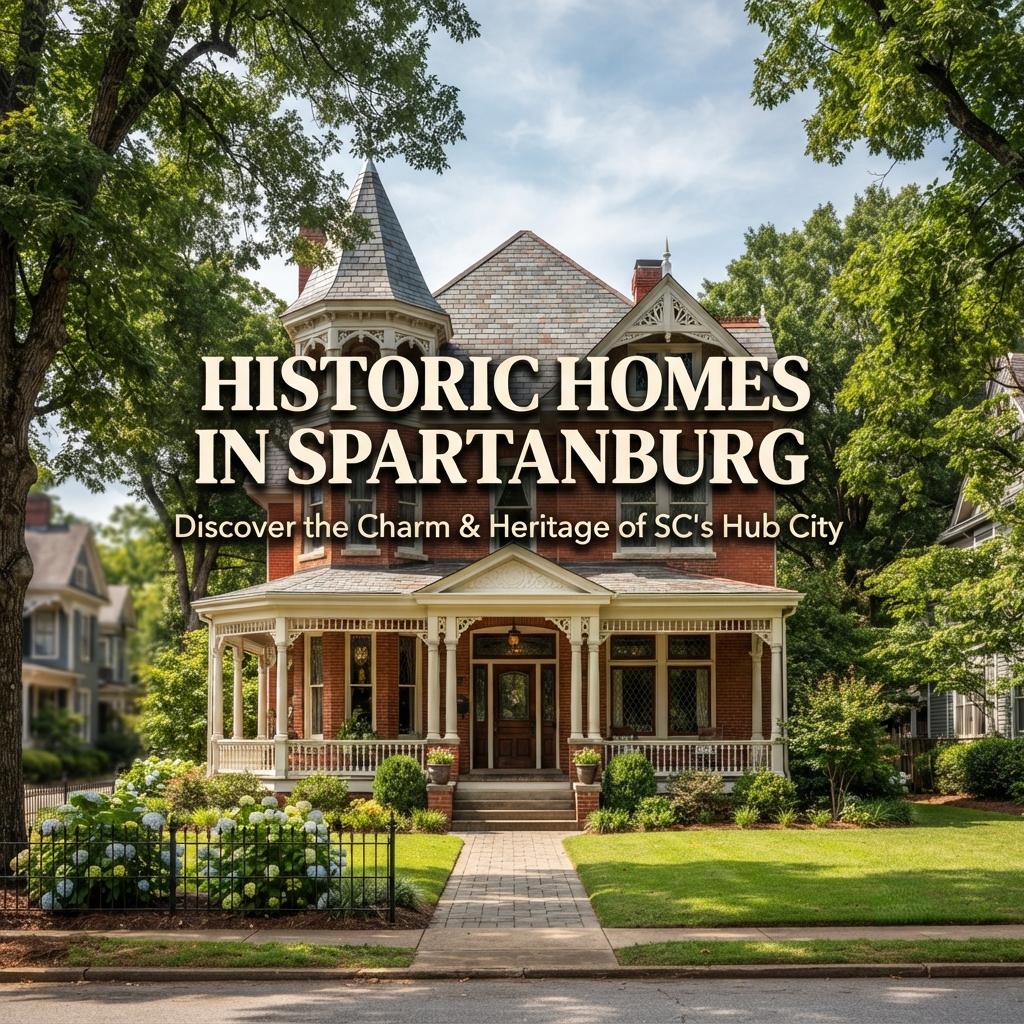
Converse Heights is one of the most established historic neighborhoods in Spartanburg. Homes here range from grand early-20th-century houses on generous lots to smaller cottages and infill homes. The neighborhood carries a specific residential feel that combines historic architecture with mature landscaping and walkable streets.
Demand in Converse Heights is consistent. When well-maintained historic homes come available here, they typically sell quickly to buyers who have been waiting for the right property. Prices reflect the desirability.
Hampton Heights
Hampton Heights south of downtown offers similar historic character with its own architectural mix. Some blocks include grand homes; others include smaller historic cottages and bungalows. The neighborhood has seen meaningful renovation activity over the past decade, and the overall trajectory has been positive.
Downtown-Adjacent Historic Blocks
The blocks immediately surrounding downtown Spartanburg include historic homes ranging from restored to in need of significant work. These blocks benefit from walkability to downtown amenities and typically appeal to buyers who value that specific access.
Woodland Heights
Woodland Heights and similar smaller historic neighborhoods offer alternatives at different price points. These areas typically have their own character, their own community dynamics, and specific inventory patterns.
Wofford-Adjacent Historic Streets
The neighborhoods immediately surrounding Wofford College include historic homes that appeal to faculty, alumni, and buyers who value the college-town lifestyle. Demand here is supported by the specific buyer pool tied to the college.
The Drayton Mills Area
The Drayton Mills redevelopment has brought renewed attention to the historic industrial architecture in that part of Spartanburg. Loft conversions and adjacent historic residential streets have benefited from the ongoing investment.
What Historic Home Buyers Should Know
Buying a historic home requires understanding what is different from buying newer inventory. The rewards can be substantial, but the considerations are specific.
Systems and Infrastructure
Historic homes typically have older electrical, plumbing, and HVAC systems — sometimes updated at various points over the decades, sometimes not. Verify what has been replaced when. Budget for eventual updates on any system that has not been replaced recently.
Foundation and Structural
Older homes shift and settle over time. Foundation condition varies widely across the historic inventory. A thorough inspection with attention to structural history is essential. Some historic homes have been meticulously maintained; others have accumulated issues that require significant investment.
Roof, Chimney, and Envelope
Roofs on historic homes may include original slate, updated composite, or a mix. Chimneys often need maintenance that newer homes never require. The building envelope — windows, doors, exterior wall systems — represents both character and ongoing maintenance investment.
Historic District Rules
Some Spartanburg historic areas fall within designated historic districts that regulate exterior changes. If your dream is to renovate freely, verify what the district rules allow. Historic district regulations protect the character that drew you to the neighborhood, but they also constrain what you can do.
Insurance
Insurance for historic homes involves considerations that newer homes do not. Wood-frame construction, older systems, and specific replacement cost calculations affect pricing. Get an actual insurance quote during the inspection period.
The Renovation Reality
Many historic homes in Spartanburg have been beautifully renovated. Others need significant work. Many sit somewhere in the middle. The renovation reality shapes the buying decision as much as the home’s underlying character.
A few points about renovation.
Costs run higher than newer construction renovation costs. Historic materials, matching original details, and working around older structures all add expense.
Contractor selection matters more. Not all contractors have historic-home experience. The right contractor produces work that respects the character; the wrong contractor can damage what made the home special.
Timelines run longer. Permitting, historic district approvals, material sourcing, and skilled labor availability all take time.
Return on renovation investment varies. Some historic renovations pay back well at resale; others create beautiful homes that recoup a smaller share of the investment. Understand the neighborhood ceiling before committing to major work.
Where Historic Spartanburg Fits Against Other Options
For buyers considering historic homes, Spartanburg offers specific advantages worth understanding.
Spartanburg real estate historic inventory typically runs at more accessible pricing than equivalent historic inventory in Greenville, particularly in the more premium historic neighborhoods.
Greenville historic homes carry higher price points reflecting the broader market pricing but also offer specific advantages for buyers who prioritize the Greenville lifestyle.
Landrum, Laurens, and other smaller Upstate cities offer their own historic inventory at generally more accessible pricing but with limited local services and smaller buyer pools that affect resale.
Spartanburg tends to win for buyers who want meaningful historic character combined with real city services, cultural offerings, and a growing downtown at accessible pricing.
Who Is Buying Historic Spartanburg
The buyer pool for Spartanburg historic homes runs across several distinct groups.
Out-of-state buyers coming from cities with strong historic traditions who understand what they are looking at and how to evaluate historic homes.
Local buyers who have watched the historic neighborhoods appreciate and want to participate in the market before further growth.
Faculty, staff, and alumni tied to Wofford, Converse, and other Spartanburg colleges who value the college-town historic character.
Renovation-focused buyers looking for value-add opportunities on historic homes that need meaningful investment.
Downsizers from larger newer homes who want the character of a historic property in a smaller footprint.
Retirees drawn to the walkable urban character of historic Spartanburg neighborhoods.
The Long View
Historic Spartanburg is likely to continue appreciating. The supply is fixed, the buyer pool is growing, and the ongoing downtown revitalization supports the value of nearby historic neighborhoods.
For long-term holders, well-selected historic homes in Spartanburg represent both a lifestyle choice and an asset with strong fundamentals. The compound effect of appreciation on a starting cost basis lower than equivalent Greenville inventory can be substantial over time.
If you want to walk specific historic neighborhoods, evaluate specific homes, or think through the renovation math on a property you are considering, that is exactly the kind of search where local knowledge matters. Reach out and we will put together a tour that fits what you are after.