Second-home buyers are showing up in the Upstate for reasons that didn't exist a decade ago. The lake markets have matured. Downtown Greenville turned into a real destination. The foothills discovered by outdoor buyers. Prices are still reasonable compared to coastal Carolina or the North Carolina mountains. Add it all together and the Upstate has quietly become one of the more interesting second-home markets in the Southeast. Here's what I see when I work with second-home buyers, and what you should think about if this is on your list.
Why Buyers Pick the Upstate Instead of the Coast or the Mountains
Most second-home shoppers start with the beach or the mountains. Those are the traditional Southeast second-home markets. The Upstate wasn't really in the conversation until fairly recently, and even now a lot of buyers only find it after they've priced the alternatives.
Coastal Carolina has climbed hard over the past decade. Homes that cost $400,000 five years ago cost meaningfully more now. Insurance for coastal property keeps rising. Hurricane risk shows up on every underwriting call. For buyers who love the beach but can't stomach the current math, the Upstate becomes a working alternative that delivers water access without the coastal price tag or the storm exposure.
The North Carolina mountains around Asheville and Boone tell a similar story. Prices have run up. Second-home inventory is thinner than it used to be. Buyers looking for foothills character at reasonable prices often find better answers south of the state line, in the Upstate foothills where the character is similar but the market hasn't fully caught up on pricing.
The Upstate isn't the beach and it isn't the high mountains. It's something else — a middle ground with lake water, foothills scenery, a growing food scene in Greenville, and cost of ownership that still works for buyers who care about the math.
The Lake Markets
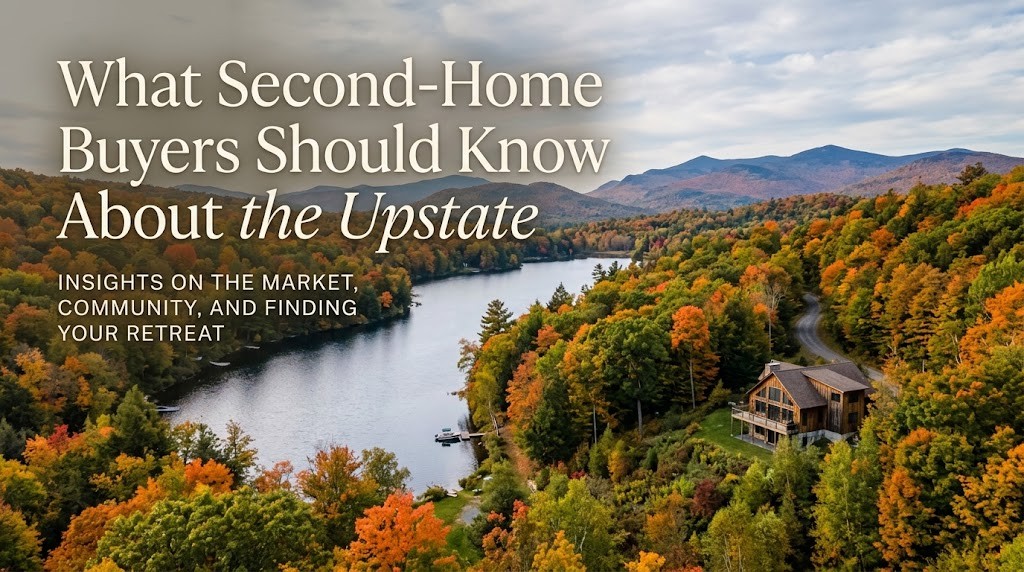
Lake Hartwell dominates the second-home conversation in Anderson County. It's the biggest recreational lake in the Upstate, and second-home buyers use it the way beach buyers use the coast. Weekends on the water. Extended stays in summer. Rental income during peak season for buyers who want to offset carrying costs.
Anderson waterfront homes covers the Lake Hartwell inventory, and pricing spans from modest lakefront cottages to substantial custom estates. Direct waterfront with dock access commands the premium prices. Lake-adjacent property a short walk or drive from the water offers meaningful savings while keeping the lake as part of the daily rhythm.
Lake Bowen up in Spartanburg County plays a different role. Reservoir designation, horsepower restrictions, quieter shoreline. Second-home buyers who want water access without the recreational scale of Hartwell often land here. Lake Bowen homes tend to attract buyers who fish more than they wake surf, who want family lake weekends rather than party-boat weekends.
Lake Blalock and the smaller reservoirs work for a similar profile at even quieter scale. Not for buyers who want the biggest lake experience. Perfect for buyers who value the quietest one.
Downtown Greenville as a Second-Home Market
This wasn't a category ten years ago. Downtown Greenville didn't have the residential density or the amenity mix to support second-home buyers. That has changed. The downtown residential scene now includes real inventory that works for extended-stay use — condos, townhomes, and lofts within walking distance of Main Street, Falls Park, the restaurant corridor, and the cultural venues.
Greenville condos for sale covers most of the downtown residential inventory that second-home buyers actually consider. The appeal is real. You fly into GSP, drive downtown, park, and don't drive again until you leave. Restaurants, coffee, the Peace Center, the Swamp Rabbit Trail — all walkable. For buyers who visit for long weekends or extended stays, the lock-and-leave lifestyle works.
The trade-off is that direct downtown inventory is limited, and condo pricing has appreciated meaningfully. If you want downtown Greenville as a second home, expect to pay for it. But compared to downtown condo pricing in Charleston or Asheville, the math still favors Greenville.
The Foothills and Travelers Rest
Travelers Rest has emerged as a specific second-home destination. The Swamp Rabbit Trail runs right through downtown. The foothills sit just north. The restaurant scene and community events have grown into something that supports extended-stay residents. Second-home buyers from Charlotte, Atlanta, and further away have discovered Travelers Rest specifically because it feels different from both the beach and the standard Southern suburb.
Travelers Rest homes for sale covers a mix of historic bungalows near downtown, mid-century homes in the surrounding neighborhoods, and newer construction in the outer areas. Buyers looking for a small-town second home with active outdoor life find what they're looking for here more often than they expected.
Practical Considerations
Second-home ownership works differently than primary residence ownership, and the differences matter.
Insurance costs more on properties that aren't your primary residence. Some carriers charge premiums for vacation or second homes because they sit empty for stretches. Get real quotes before you buy, not after.
Financing is different. Second-home loans typically require higher down payments and higher rates than primary residence loans. Investment property loans are even more expensive. Talk to a lender about how the property will be classified before you commit.
Property management matters if you can't be there regularly. Small issues become big issues fast when nobody notices for weeks. Line up a property manager or a trusted local contact before you close, not after.
Rental rules vary. Some HOA communities allow short-term rentals. Others prohibit them. City rules add another layer, particularly in downtown Greenville and in some Lake Hartwell communities. Verify the specific rules for any property before you assume rental income will offset your costs.
Taxes deserve attention. South Carolina property tax treatment differs for primary residences versus second homes. The primary-residence 4% assessment ratio doesn't apply to second homes, which typically get assessed at 6%. That difference shows up on every tax bill for the rest of your ownership.
Maintenance while you're away requires planning. Winter heat management, summer humidity, pest control, and landscape upkeep all continue whether you're there or not. Set up systems that handle these without needing your attention.
Who Actually Buys Upstate Second Homes
The buyer pool is more varied than most people expect. Charlotte and Atlanta households make up a big share — they can drive up in a few hours for a weekend, they know the region already, and the price math works better than closer coastal or mountain alternatives. Retirees who split time between two markets often use an Upstate second home while keeping a coastal or Northern primary residence. Empty nesters testing what full-time relocation to the Upstate might look like sometimes buy a second home first and convert it to primary later.
College-related buyers show up around Clemson and near Wofford and Converse in Spartanburg. Parents buying properties during their student's academic career sometimes keep the property long after graduation, converting a housing solution into a real second home.
Remote workers occupy a middle category — they're not exactly second-home buyers, but they're not primary-residence buyers in the traditional sense either. They live in one market and treat an Upstate property as a change-of-scene home for months at a time.
Where I Think This Is Headed
The Upstate second-home market is likely to keep growing. Coastal Carolina isn't getting cheaper. The North Carolina mountains aren't getting cheaper. The Upstate still offers real value on a per-square-foot basis, and the lifestyle amenities keep improving. Greenville real estate across the broader market reflects that trajectory.
For buyers weighing an Upstate second home, the market rewards buyers who match the property to how they actually plan to use it. Lake buyers should look at the lakes. Downtown buyers should look downtown. Foothills buyers should look at the foothills. Each of these markets rewards specificity more than generic browsing.
If you want to walk properties across multiple Upstate second-home categories on the same trip and see the differences in person, reach out and we can put together a focused tour.