


The Concept of Eco-Friendly Homes and Green Living
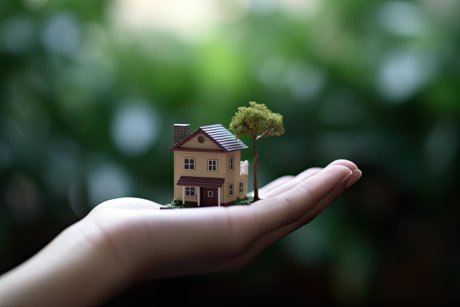
In recent years, there has been a growing trend towards eco-friendly homes and green living. People are becoming more aware of the impact their lifestyle choices have on the environment and are making a conscious effort to reduce their carbon footprint.
But what exactly do we mean by eco-friendly homes and green living? Simply put, it refers to practices that aim to reduce harm to the environment and promote sustainable living. This can include everything from using renewable energy sources, reducing water consumption, minimizing waste production, and using environmentally friendly building materials.
The concept of eco-friendly homes is not new; in fact, it has been around for decades. However, with the increasing concerns about climate change and environmental degradation, more people are starting to take notice and make changes in their daily lives.
One of the main goals of eco-friendly homes is to minimize our reliance on non-renewable resources such as fossil fuels. This is why many homeowners are now installing solar panels or investing in other forms of renewable energy like wind power. By generating their electricity, they not only reduce their carbon footprint but also save money on utility bills in the long run.
Another key aspect of eco-friendly homes is water conservation. With droughts becoming more common in some parts of the world, we all must do our part to conserve water. This can be achieved through simple measures like fixing leaky faucets and toilets or installing low-flow showerheads.
The Benefits of Living in an Eco-friendly Home
Living in an eco-friendly home not only benefits the environment but also has numerous advantages for homeowners. From reducing utility bills to promoting better health, there are many reasons why choosing to live in an eco-friendly home is a wise decision.
1. Reduced Energy Costs:
One of the most significant benefits of living in an eco-friendly home is the reduced energy costs. Eco-friendly homes utilize renewable energy sources such as solar panels, wind turbines, and geothermal systems to power their homes. This greatly reduces the reliance on non-renewable resources such as fossil fuels, resulting in lower electricity and gas bills.
2. Improved Indoor Air Quality:
Eco-friendly homes prioritize using non-toxic building materials and products that do not emit harmful chemicals into the air. This results in improved indoor air quality, which is especially beneficial for individuals with respiratory issues or allergies. The use of natural ventilation techniques also ensures better air circulation and reduces the risk of mold growth.
3. Healthier Living Environment:
In addition to improving indoor air quality, eco-friendly homes also promote a healthier living environment through sustainable features such as low-VOC paints and sealants, natural flooring materials like bamboo or cork, and proper insulation for temperature control. These features reduce exposure to harmful chemicals and create a more comfortable living space.
4. Long-Term Cost Savings:
While investing in eco-friendly features for your home may require a higher upfront cost, it can result in long-term cost savings over time. For example, energy-efficient appliances and fixtures can reduce utility bills, and durable building materials can lower maintenance and repair costs in the long run.
5. Reduced Carbon Footprint:
Eco-friendly homes have a significantly lower carbon footprint compared to traditional homes. By utilizing renewable energy sources and reducing energy consumption, eco-friendly homes contribute less to air pollution and greenhouse gas emissions, helping to combat climate change.
6. Increased Property Value:
With the growing demand for sustainable living, eco-friendly homes are becoming more desirable in the real estate market. This can result in an increased property value for homeowners who have invested in green features for their homes.
7. Connection with Nature:
Eco-friendly homes often incorporate natural elements into their design, such as large windows for natural light and views of the outdoors or gardens for growing food. This allows homeowners to feel more connected with nature and enjoy its benefits such as improved mental health and reduced stress levels.
How Spartanburg is Embracing Green Living and Promoting Sustainable Housing
In recent years, Spartanburg has been making great strides in embracing green living and promoting sustainable housing. The city recognized the need to take action toward reducing its carbon footprint and creating a more environmentally friendly community. From implementing energy-efficient building codes to promoting sustainable practices among its residents, Spartanburg is truly leading the way in eco-friendly living.
One of the key ways that Spartanburg is embracing green living is through the promotion of sustainable housing. This includes both new construction projects as well as retrofitting existing homes to make them more energy-efficient. The city offers various incentives and programs for homeowners and developers who want to take part in this movement.
One such initiative is the Green Homes Program, which encourages builders to incorporate green design features into their projects. These include things like using sustainably sourced materials, installing solar panels or other renewable energy sources, and implementing water-saving technologies. By participating in this program, builders can earn certification for their homes, which not only benefits the environment but also adds value to the property.
Additionally, Spartanburg has implemented strict building codes that require all new constructions to meet certain energy efficiency standards. This means that all new homes are equipped with features like high-efficiency heating and cooling systems, proper insulation, and energy-efficient appliances. These measures not only reduce carbon emissions but also help homeowners save money on their utility bills.
Examples of Eco-friendly Homes in Spartanburg
Spartanburg is a city that has been making great strides in promoting and supporting eco-friendly living. With a focus on sustainability and conservation, many homeowners in the area have taken it upon themselves to build or renovate their homes to be more environmentally friendly. Here are some examples of eco-friendly homes in Spartanburg that showcase the different ways individuals can incorporate green living into their daily lives.
1. The Solar-Powered Home
One popular way to make a home more eco-friendly is by utilizing solar power. This renewable energy source uses the sun's rays to generate electricity, reducing the reliance on traditional power sources. In Spartanburg, several homes have been designed with solar panels installed on their roofs. These panels capture sunlight during the day and convert it into usable energy for the home's appliances and lighting systems.
2. The Sustainable Farmhouse
Another example of an eco-friendly home in Spartanburg is the sustainable farmhouse. These types of homes are built using sustainable materials such as reclaimed wood, recycled glass, or bamboo flooring. They also often feature rainwater harvesting systems for irrigation and greywater recycling systems for flushing toilets and watering plants. Additionally, sustainable farmhouses often have large gardens or small-scale farms on their properties to promote farm-to-table living and reduce carbon emissions from transportation.
3. The Energy-Efficient Townhouse
Many townhomes in Spartanburg have gone through renovations to become more energy-efficient. This includes installing energy-efficient windows, insulation, appliances, and LED lighting. Some townhomes also have smart home systems that allow homeowners to control their energy usage remotely, reducing unnecessary energy consumption.
4. The Tiny Home
Tiny homes have become increasingly popular in Spartanburg as an eco-friendly housing option. These small homes are often built using sustainable materials and have a smaller footprint, making them more energy-efficient. They also encourage minimalism and reduce the amount of waste produced by homeowners.
5. The Passive House
A passive house is designed to minimize its environmental impact by using natural heating and cooling methods. These homes are built with thick insulation, airtight seals, and energy-efficient windows to reduce the need for heating or cooling systems. They also often feature solar panels for additional energy savings.
Cost Considerations and Potential Savings with Eco-friendly Homes
As the world becomes increasingly aware of the impact of climate change and the need for sustainable living, eco-friendly homes have been gaining popularity. These homes are designed with the environment in mind, using energy-efficient materials and practices to reduce their carbon footprint. While this is undoubtedly beneficial for the planet, many people may wonder about the cost implications of building or buying an eco-friendly home.
One of the main concerns surrounding eco-friendly homes is that they may be more expensive than traditional homes. While it is true that some green building materials may come at a higher initial cost, there are many factors to consider when evaluating the overall cost of an eco-friendly home. There are several potential savings associated with these types of homes that can make them a more affordable option in the long run.
Eco-friendly homes typically have lower utility bills due to their energy-efficient design. For example, they often use high-quality insulation and energy-efficient windows that prevent heat loss during colder months and retain cool air in warmer months. This means homeowners can save significantly on heating and cooling costs year-round. Additionally, many eco-friendly homes utilize renewable energy sources such as solar panels or geothermal systems, further reducing reliance on traditional utilities and lowering monthly expenses.
The Role of Local Government and Organizations in Promoting and Supporting Green Living in Spartanburg
The city of Spartanburg has been making significant strides toward becoming a more sustainable and eco-friendly community. This is largely due to the efforts and initiatives undertaken by the local government and various organizations in promoting and supporting green living practices.
Local government plays a crucial role in creating policies and regulations that encourage environmentally-friendly choices. The City Council of Spartanburg has made sustainability one of its top priorities, with the establishment of the Sustainable Spartanburg Commission in 2010. This commission is responsible for developing strategies to reduce carbon emissions, increase energy efficiency, promote waste reduction and recycling, and educate the community on sustainable living practices.
One of the major initiatives taken by the city government is the implementation of green building codes. These codes require new residential and commercial buildings to meet certain environmental standards such as using energy-efficient materials, implementing renewable energy systems, and incorporating water conservation measures. Incentives are also provided for developers who exceed these standards, further encouraging green building practices.
In addition to this, the City of Spartanburg has also invested in sustainable transportation options such as bike lanes, electric vehicle charging stations, and public transportation services. By providing alternative modes of transport to reduce reliance on cars, the city aims to decrease carbon emissions from transportation which is a major contributor to air pollution.
The Future of Eco-friendly Homes in Spartanburg
The future of eco-friendly homes in Spartanburg is bright and promising. With the increasing awareness about environmental sustainability and the growing demand for energy-efficient and environmentally responsible living spaces, more and more people are opting for eco-friendly homes.
One of the major factors contributing to this trend is the availability of various green building materials and technologies. These materials not only reduce the carbon footprint but also provide better insulation, resulting in significant energy savings. This makes them an attractive option for homeowners looking to save money while reducing their impact on the environment.
Another reason why eco-friendly homes will continue to rise in popularity is due to government initiatives and policies that promote sustainable living. In Spartanburg, there are several programs and incentives available for individuals or businesses who choose to build or renovate their properties using green practices. This includes tax credits, grants, and loans, making it easier for people to invest in eco-friendly homes.
Moreover, with advancements in technology, we can expect to see even more innovative solutions for eco-friendly living. Smart home systems that monitor and regulate energy usage have already become popular among homeowners looking to reduce their carbon footprint. In the future, we can expect further developments such as solar-powered roofs, water-saving appliances, and even self-sustaining homes that use renewable energy sources like wind or geothermal power.