


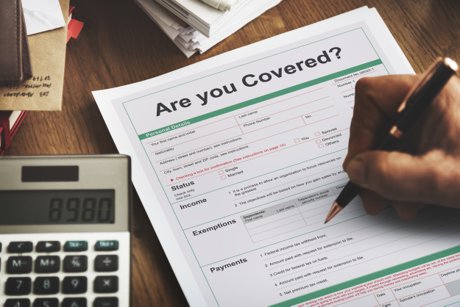
Insurance is a form of risk management that provides protection against potential financial losses. It involves transferring the risk of loss from an individual or organization to an insurance company in exchange for a premium payment. In simple terms, insurance is a contract between the policyholder and the insurer, where the insurer agrees to bear the financial burden in case of any unforeseen events.
Insurance can cover various aspects of life, such as health, property, vehicles, business operations, and more. The main purpose of insurance is to provide peace of mind and stability by mitigating potential financial risks. By paying a relatively small amount in premiums, individuals and businesses can protect themselves from significant losses that could potentially devastate their finances.
Types of Insurance
There are many different types of insurance available to protect individuals, families, and businesses from unexpected financial losses. Knowing the different types of insurance can help you make informed decisions about your coverage needs. In this section, we will discuss the four most common types of insurance: health, life, auto, and home.
1. Health Insurance:
Health insurance is designed to cover the costs associated with medical and surgical expenses. It can be purchased individually or provided by an employer as part of a group plan. With rising healthcare costs, having health insurance is becoming increasingly important for individuals and families. There are three main types of health insurance plans: HMOs (Health Maintenance Organizations), PPOs (Preferred Provider Organizations), and EPOs (Exclusive Provider Organizations). These plans differ in terms of their network coverage options and out-of-pocket costs.
2. Life Insurance:
Life insurance provides financial protection for family members in case of the policyholder's death. It can also serve as an investment tool for building cash value over time. There are two main types of life insurance: term life and whole life. Term life policies provide coverage for a specific period, usually 10-30 years, while whole life policies offer lifelong coverage with a cash value component that grows over time.
3. Auto Insurance:
Auto insurance is required by law in most states and covers damages to your vehicle or injuries sustained during an accident involving your car. It helps protect you financially if you cause an accident or if your car gets damaged or stolen. Auto insurance policies typically include liability coverage, which pays for damages to other vehicles or property, and collision/comprehensive coverage, which covers damages to your own vehicle.
4. Home Insurance:
Home insurance provides financial protection against damage or loss to your home and personal belongings. It can cover the cost of repairs or replacement if your home is damaged by fire, weather events, theft, or other covered perils. Home insurance also includes liability coverage, which protects you in case someone is injured on your property. There are different types of home insurance policies available, including homeowners insurance for single-family homes and renters insurance for individuals who rent their living space.
Other types of insurance include disability insurance, which provides income replacement in case of a disability that prevents you from working; long-term care insurance, which covers the costs of nursing home care or in-home care for elderly individuals; and business insurance, which protects businesses from financial losses due to unexpected events such as lawsuits or property damage.
Why is Insurance Important?
Insurance is a crucial aspect of financial planning and risk management that often gets overlooked or misunderstood. Many people view insurance as an unnecessary expense, but in reality, it is an essential safety net that can protect you and your loved ones from unexpected financial burdens.
Here are some reasons why insurance is so important:
1. Protects against financial loss
The primary purpose of insurance is to protect you against potential financial losses. Whether it's your health, home, car, or business, having insurance coverage provides a safety net that can help cover the costs of unexpected events such as accidents, illnesses, natural disasters, or lawsuits. Without insurance, these expenses could quickly drain your savings and put you in a difficult financial situation.
2. Provides peace of mind
Having insurance not only safeguards your finances but also gives you peace of mind. Knowing that you have protection in place for yourself and your assets can alleviate stress and anxiety about potential risks and uncertainties. It allows you to focus on more important things in life without constantly worrying about what could go wrong.
3. Mandatory for certain situations
Some types of insurance are mandatory by law or required by lenders or landlords. For example, if you own a car, auto insurance is required in most states to drive legally. Similarly, if you have a mortgage on your home, the lender will likely require homeowners' insurance to protect their investment.
4. Covers medical expenses
Healthcare costs are continually rising, making it challenging for individuals to afford necessary medical treatments without adequate coverage . Health insurance can help cover the costs of doctor visits, hospital stays, prescription medications, and more. It is especially important to have health insurance in case of a serious illness or injury that requires extensive medical treatment.
5. Protects your loved ones
Life insurance is crucial for protecting your loved ones in case of your untimely death. It can provide financial support to your family and cover expenses such as funeral costs, outstanding debts, and future living expenses. Life insurance is particularly essential if you have dependents who rely on your income to maintain their standard of living.
6. Promotes risk management
Insurance not only protects against financial losses but also promotes risk management. By having insurance coverage, individuals are encouraged to take precautionary measures and minimize potential risks that could result in a loss. For example, car insurance may incentivize drivers to follow traffic laws and maintain safe driving habits to avoid accidents.
How to Choose the Right Insurance Plan For You?
When it comes to choosing the right insurance plan for you, there are many factors to consider. Insurance can be a complex topic and understanding all the nuances of each plan can be overwhelming. However, by following these key steps, you can make an informed decision that best suits your needs.
1. Assess Your Needs: The first step in choosing the right insurance plan is to assess your needs. Think about what kind of coverage you require based on your lifestyle, age, health conditions, and financial situation. For example, if you have a family and own a home, you may need more comprehensive coverage than someone who is single and renting.
2. Evaluate Your Risks: Insurance is essentially risk management – protecting yourself from potential risks and losses. So it's important to evaluate your risks carefully before selecting a plan. Consider what type of accidents or events could occur in your life that would cause financial strain without proper insurance coverage.
3. Research Different Plans: There are various types of insurance plans available such as health insurance, life insurance, auto insurance, etc., each with its own variations and options. It's crucial to research different plans within each category to find one that meets your specific needs.
4. Compare Coverage Options: As mentioned earlier, every individual has unique needs when it comes to insurance coverage. As such, it's essential to compare the specific benefits offered by different plans side-by-side before making a decision.
5. Consider Cost vs Benefits: While cost should not be the only factor influencing your decision, it's important to consider the cost of insurance plans in relation to the benefits they offer. A cheaper plan may seem appealing, but if it doesn't provide enough coverage when you need it, it may end up costing you more in the long run.
6. Check for Provider Networks: If you're considering health or dental insurance, check to see if the plan has a network of providers that you can choose from. This will help ensure that you can receive care from your preferred healthcare professionals.
7. Read Reviews and Ratings: Before finalizing your decision, it's always a good idea to read reviews and ratings of the insurance company and its plans. This will give you insight into other people's experiences with the company and its customer service.
8. Seek Professional Advice: If you're still unsure about which insurance plan is right for you, seek advice from a licensed insurance agent or financial advisor. They can provide personalized recommendations based on your specific needs and budget.
Century 21 Blackwell recommends Integrated Insurance Solutions.
By following these steps, you can make an informed decision when choosing an insurance plan that best suits your needs. Remember to regularly review and reassess your coverage as your needs change over time.
Importance of Being Informed About Insurance
In today's fast-paced world, it is important to be well-informed about various aspects of life, including insurance. Insurance can play a crucial role in protecting us and our loved ones from financial struggles in case of unexpected events such as accidents, illnesses, or natural disasters. However, many people are still not fully aware of the importance and benefits of having insurance coverage.
Being informed about insurance means understanding the different types of insurance available and how they can benefit us. It also means knowing what factors to consider when choosing an insurance policy and being aware of any changes or updates in the insurance industry.
One of the main reasons why being informed about insurance is essential is because it helps us make better decisions when purchasing a policy. With proper knowledge, we can choose a plan that suits our specific needs and budget. This can save us from paying for unnecessary coverage or ending up with inadequate protection.
Moreover, staying informed about insurance allows us to stay updated on any changes in policies or regulations that may affect our coverage. For instance, if there are amendments made to the healthcare laws, we need to know how these changes will impact our health insurance plans.
Another vital aspect of being knowledgeable about insurance is understanding its terms and conditions. Often, people skip reading through the fine print and end up facing issues when filing for claims later on. By knowing what is covered under our policy and what isn't, we can avoid unpleasant surprises down the road.