


In 2025, Greenville and Spartanburg are drawing attention from homebuyers, sellers, and investors alike. Their thriving economies, affordable living, stunning outdoors, and vibrant communities have made them top destinations in the Upstate South Carolina region. Let’s explore what's driving this relocation trend and what it means for the real estate market.
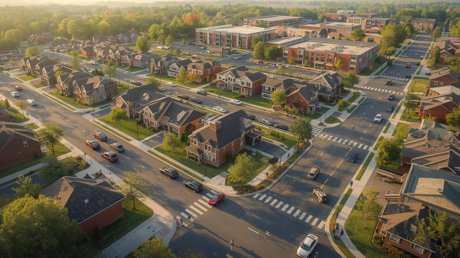
1. Fast-Paced Growth & Population Surge
- Spartanburg is among the 10 fastest-growing metro areas in the U.S. for the second straight year, with a population increase of 2.7% between July 2023 and July 2024—adding over 10,500 new residents.
- Greenville County alone welcomed 11,049 new residents in the same period.
- This surge reflects a broader trend: In 2024, South Carolina topped U‑Haul’s net migration ranking, meaning more Americans moved there than any other state.
Why it matters: Growth signals rising demand in housing—an opportunity for sellers and a competitive market for buyers.
2. Affordability & Cost-Effective Living
- In Spartanburg County, the median home price is around $240,000—roughly $100,000 below the national average.
- Spartanburg overall offers living costs about 10% lower than the national average, including housing.
- In Greenville, cost of living index is 91.3, significantly below the U.S. average.. Housing prices are about 14% lower than national average, rent around 20% lower.
- Across South Carolina, overall cost of living is approximately 7% below the national average , and annual property taxes on a median home are among the lowest in the nation.
Why it matters: Affordability is a magnet—first-time buyers find homes within reach, retirees can stretch their income, and investors can maximize returns.
3. Robust Job Markets & Economic Diversity
- Spartanburg boasts a strong employment base with sectors like manufacturing, logistics, healthcare, and education—notably anchored by BMW, inland port expansions, and low unemployment (~3.7%).
- Greenville serves as the economic engine of the region, housing operations of BMW, Michelin, Boeing, GE, Lockheed Martin, and more . The area anticipates around 40% economic growth in the decade to come.
- The Upstate region is also emerging as an innovation hub, featuring R&D with Clemson University, automotive technology, life sciences, and tech startups.
Why it matters: Job security and growth potential make both cities attractive to working professionals and add investment value.
4. Education & Healthcare Excellence
- Spartanburg offers reputable public schools and higher education options like Wofford College, USC Upstate, and Spartanburg Community College.
- Greenville hosts Furman University, Greenville Technical College, and proximity to Clemson—adding strong academic ecosystems for families and future workforce development.
- Healthcare is robust: Prisma Health and Bon Secours St. Francis in Greenville, Spartanburg Regional Healthcare—all offering excellent service.
Why it matters: Strong education and healthcare infrastructure is a powerful draw for families and ensures long-term market resilience.
5. Lifestyle, Culture & Outdoor Appeal
- Greenville’s downtown is pedestrian-friendly with Falls Park, Liberty Bridge, galleries, dining, and the Swamp Rabbit Trail—a 20-mile greenway for walking, biking, and community fun.
- Spartanburg is revitalizing, with expanding cultural institutions, new mixed-use developments, outdoor trails, and a minor league stadium underway in 2025.
- The region is an outdoor paradise—Blue Ridge Mountains, trails, parks, lakes, and year-round climate make outdoor living a reality.
- Both communities host thriving food scenes, festivals, arts centers, and strong community culture.
Why it matters: Lifestyle amenities boost quality of life, retention, and appeal—essential for both buyers and investors seeking thriving communities.
6. Strong Investment & Development Momentum
- Spartanburg is launching a 16‑acre mixed-use development and plaza, plus a new minor league baseball stadium in downtown—positioned to anchor growth through 2025 and beyond.
- Greenville continues expanding with commercial growth, rising transit potential (Amtrak, public transport improvements), and tech advancements.
Why it matters: Infrastructure and placemaking projects enhance property values and attract new businesses, fueling further demand.
Conclusion
In 2025, Greenville and Spartanburg are shining examples of smart, scalable growth—offering affordability, economic opportunity, culture, education, and lifestyle combined. Whether you're looking to buy, sell, or invest, these dynamic markets are primed for success and offer a compelling story to share with clients, readers, and community enthusiasts.