Introduction to the Concept of Repurposed Real Estate
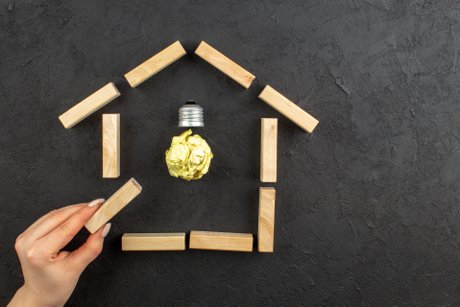
Repurposed real estate is a growing trend in the world of architecture and design, where old and abandoned buildings are transformed into modern, functional spaces. It involves taking existing structures that were built for a specific purpose, such as factories, churches, and schools, and repurposing them for entirely different uses.
The idea behind repurposing real estate is not only to give new life to these neglected buildings but also to create unique and sustainable living spaces. By transforming old structures rather than building new ones from scratch, we can reduce our carbon footprint and preserve the historical value of these buildings.
Why Repurpose Real Estate?
There are several reasons why repurposing real estate has become increasingly popular in recent years. First and foremost, it offers a more cost-effective solution compared to building brand-new structures. The cost of demolishing an old building and constructing a new one can be exorbitant. On the other hand, repurposing an existing structure eliminates the need for demolition costs while utilizing existing resources.
Moreover, repurposed real estate helps revitalize communities by bringing back life into once-abandoned areas. These projects often attract businesses and residents who want to live in unique spaces with character instead of cookie-cutter developments. This brings economic growth to neighborhoods that may have otherwise been overlooked.
Another significant advantage of repurposed real estate is its eco-friendliness. By reusing existing materials and structures rather than starting from scratch, we
Benefits of repurposing old buildings for housing
Repurposing old buildings for housing has become a popular trend in the real estate industry. It involves taking existing structures, such as factories, churches, or schools, and converting them into modern living spaces. This practice not only revitalizes historical buildings but also offers numerous benefits for both the community and homeowners.
1. Preserving history and character
One of the main benefits of repurposing old buildings is that it allows for the preservation of history and architectural heritage. These buildings often hold cultural significance to a community and have unique designs that reflect their time period. By repurposing them instead of demolishing them, we can maintain these important aspects and keep a sense of identity in the neighborhood.
2. Sustainability
Repurposing old buildings is an environmentally friendly approach to housing development. Instead of constructing new homes that require raw materials and energy consumption, repurposing uses existing resources to create new living spaces. It reduces construction waste and conserves natural resources while promoting sustainable living practices.
3. Cost-effective
Converting an old building into a home can be more cost-effective than building from scratch. The structure already exists, so there is no need for major construction work or purchasing land - both major expenses in traditional housing development projects. Additionally, the unique features of older buildings add character to the space without requiring expensive renovations.
4. Variety in design
Old buildings often have unique layouts with high ceilings, large windows, exposed brickwork, or beams that are difficult to replicate in new constructions.
Examples of successful repurposed real estate projects
Repurposing real estate is a growing trend that has gained popularity in recent years. It involves transforming old, unused buildings into functional and attractive spaces that serve a new purpose. This not only breathes new life into neglected properties but also adds unique character to the surrounding community. From factories and churches to schools and warehouses, repurposed real estate projects have proven to be successful in creating desirable living spaces.
1. The Ice House Lofts - Louisville, Kentucky
Originally built as an ice storage facility in the late 1800s, this historic building was transformed into modern loft-style apartments in 2008. The developers preserved many original features such as exposed brick walls and wooden beams while incorporating modern amenities like stainless steel appliances and granite countertops. The result is a stunning blend of industrial charm and contemporary living.
2. The Schoolhouse Lofts - Atlanta, Georgia
Built in 1923, the Ivy Preparatory Academy was once a thriving school for girls but had been abandoned for over two decades before being converted into luxury lofts in 2007. Each unit features high ceilings, large windows, and open floor plans that make use of the original classroom layout. The project successfully revived the historic building while providing much-needed housing options in the area.
Challenges and considerations when converting an old building into a home
Converting an old building into a home may seem like a daunting task, but it can also be a rewarding and unique experience. There is something special about transforming a space with history and character into a comfortable living space for you and your family.
However, before taking on this project, it is important to thoroughly consider the challenges that come with repurposing an old building into a home. Here are some key factors to keep in mind:
1. Structural Integrity: One of the biggest challenges when converting an old building into a home is ensuring its structural integrity. Most old buildings were not originally designed to be residential spaces, so they may have weak foundations or outdated electrical and plumbing systems that need to be updated. It is crucial to hire professionals such as architects, engineers, and contractors who are experienced in renovating historic buildings to ensure that the structure can support the changes being made.
2. Building Codes and Permits: Before beginning any renovation work, it is important to research and understand the local building codes and regulations for repurposing an old building into a home. These regulations often require specific safety measures to be taken during renovations, such as fire escapes or sprinkler systems. Additionally, permits may need to be obtained before starting any construction work.
3. Budget Constraints: Converting an old building into a home can come with unexpected costs due to the unique nature of the project. It is essential to carefully budget for both expected expenses such as materials and labor cost.
Creative design ideas for repurposed homes
When it comes to repurposing old factories, churches, and schools into modern homes, the possibilities are endless. These structures have unique architectural elements and history that can be incorporated into a creative design for a one-of-a-kind living space. In this section, we will explore some creative design ideas for repurposed homes that will inspire you to think outside the box.
1. Embrace the Industrial Aesthetic
Factories are known for their industrial aesthetic with exposed brick walls, large windows, and steel beams. To preserve this character in a repurposed home, consider leaving these elements untouched or incorporating them into the design. For example, you could use the exposed brick as an accent wall or leave it bare for an industrial look. The steel beams can also be left exposed and painted to add a touch of modernity to the space.
2. Incorporate Natural Elements
One way to create a warm and inviting atmosphere in a repurposed home is by incorporating natural elements such as wood and greenery. For example, you could use reclaimed wood from the original structure to create custom furniture pieces like coffee tables or shelves. Adding plants throughout the space can also bring life and color to your home while paying homage to its former purpose as a factory or school.
3. Utilize Unique Spaces
One of the benefits of repurposing old buildings is that they often have unique spaces that can be transformed into something unexpected in a residential setting.
How to find and purchase repurposed real estate
Finding and purchasing repurposed real estate can be a daunting task, especially if you are not familiar with the process. However, with the rising popularity of repurposed properties, it has become easier to find and purchase these unique homes. In this section, we will discuss some steps that can help you in your search for repurposed real estate and guide you through the buying process.
Step 1: Research Different Types of Repurposed Real Estate
The first step is to educate yourself about the different types of repurposed real estate available in the market. As mentioned in our previous sections, old factories, churches, and schools are some of the most popular choices for repurposing into modern homes. Each one offers its unique characteristics and challenges. It's crucial to understand these differences before deciding which type of repurposed property best suits your needs. You can also consider some historic homes to when getting started in the market.
Step 2: Determine Your Budget
Before starting your search for repurposed real estate, it's essential to have a clear understanding of your budget. Repurposing an old building into a modern home can be challenging and expensive; therefore, it's crucial to determine how much you are willing to spend on this project. Keep in mind that while buying a repurposed property may save you money on land costs, there may still be significant renovation expenses involved.
The impact of repurposed real estate on local communities
The repurposing of real estate has become a growing trend in recent years, with old factories, churches, and schools being transformed into modern homes. While this may seem like a simple renovation project, it actually has a significant impact on local communities.
One of the main benefits of repurposed real estate is that it brings new life to abandoned or underutilized buildings. These structures often hold historical and cultural significance for the community, and their transformation into modern homes helps preserve the character and charm of the neighborhood. This can increase property values and attract new residents to the area.
Furthermore, repurposed real estate projects create job opportunities for local workers such as architects, contractors, and interior designers. This not only boosts the economy but also supports small businesses within the community. Additionally, these projects often involve sustainable building practices which can have a positive impact on the environment.
Another important aspect to consider is affordable housing. Repurposed real estate allows for more diverse housing options in an area by providing smaller units at lower costs than traditional single-family homes. This can help address affordability issues in cities where housing prices are skyrocketing.
Moreover, when an old building is renovated instead of being demolished, it reduces waste and promotes sustainability. The materials used in these projects are often salvaged from the existing structure or sourced locally, reducing transportation emissions and promoting a circular economy.
Conclusion: The future of repurposed real estate and its role in sustainable living
Repurposed real estate has emerged as a popular trend in recent years, with old factories, churches, and schools being transformed into modern homes. This innovative approach not only breathes new life into these historical structures but also plays a crucial role in promoting sustainable living. As we move towards a more environmentally conscious future, the use of repurposed real estate is expected to play an even bigger role.