Introduction to Energy-Efficient Homes
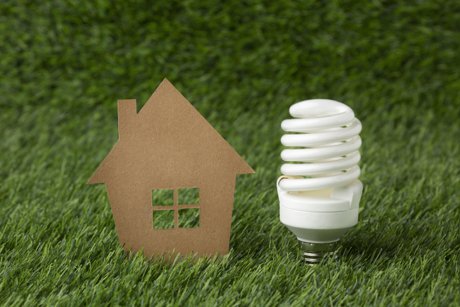
As the world becomes increasingly aware of the need for sustainable living, energy-efficient homes are becoming more popular. These homes are designed to minimize energy consumption and waste while maximizing comfort and efficiency.
There are many benefits to living in an energy-efficient home. Perhaps most importantly, they help reduce your carbon footprint and save you money on your utility bills. Additionally, these homes tend to be more comfortable than traditional homes, as they are better insulated and have better ventilation.
If you’re interested in sustainability and comfort, then an energy-efficient home is likely the right choice for you. If you’re not sure where to start, our team at Sustainable Living Solutions can help. We specialize in sustainable home design and can help you create the perfect energy-efficient home for your needs. Contact us today to get started!
Benefits of Energy-Efficient Homes
There are many benefits to energy-efficient homes, which is why they are the future of sustainable living. Energy-efficient homes use less energy overall, which saves money on utility bills and helps to conserve natural resources. In addition, energy-efficient homes are often more comfortable to live in thanks to improved air quality and temperature control.
One of the biggest benefits of energy-efficient homes is that they save money on utility bills. By using less energy, homeowners can see significant savings each month. In addition to saving money, conserving energy also helps to protect the environment. Energy-efficient homes produce lower carbon emissions, which helps reduce air pollution and fight climate change.
Another benefit of energy-efficient homes is that they are often more comfortable to live in. Thanks to improved insulation and ventilation, these homes tend to have better air quality and temperature control. This can create a healthier and more comfortable indoor environment for residents.
There are many reasons why energy-efficient homes are the future of sustainable living. These homes offer significant financial and environmental benefits that make them an attractive option for homeowners looking to reduce their impact on the planet.
How to Make Your Home More Efficient
As we become more aware of the need to conserve resources, many of us are looking for ways to make our homes more efficient. Here are some simple tips to get you started:
1. Get a home energy audit. This will help you identify areas where your home is wasting energy, so you can make changes to improve efficiency.
2. Install energy-saving appliances and fixtures. Replacing old, inefficient appliances with new ENERGY STAR® models can save you money on your energy bills and help reduce your home’s carbon footprint.
3. Use solar power. Solar energy is a clean, renewable resource that can be used to generate electricity or heat water for your home.
4. Insulate your home. Proper insulation helps keep your home warm in the winter and cool in the summer, which can save you money on heating and cooling costs.
5. Seal air leaks. drafts can waste a lot of energy, so it’s important to seal any gaps or cracks around doors and windows to prevent heat loss in the winter and heat gain in the summer.
Renewable Energy Sources
As our population continues to grow, the demand for energy will only increase. Unfortunately, traditional energy sources are becoming increasingly scarce and expensive. Renewable energy sources, on the other hand, are abundant and relatively affordable.
Solar power is one of the most promising renewable energy sources. The sun is a virtually limitless source of clean, renewable energy. Solar panels can be used to generate electricity or to heat water for domestic use. Solar power is becoming increasingly cost-effective as technology improves and solar panel prices continue to fall.
Wind power is another promising renewable energy source. Wind turbines can be used to generate electricity or to pump water. Wind power is also becoming increasingly cost-effective as technology improves and wind turbine prices continue to fall.
Hydropower is yet another promising renewable energy source. Water can be used to generate electricity or to pump water. Hydropower is also becoming increasingly cost-effective as technology improves and hydroelectric plant prices continue to fall.
Geothermal power is the final renewable energy source we will discuss here. Geothermal plants use the heat from the earth’s core to generate electricity or to heat water for domestic use. Geothermal power is also becoming increasingly cost-effective as technology improves and geothermal plant prices continue to fall.
Clearly, renewable energy sources are the future of sustainable living. They are abundant, relatively affordable, and environmentally friendly.
Smart Technology in the Home
As the world becomes increasingly digitized, it's no surprise that our homes are following suit. Smart technology is making its way into every aspect of home life, from entertainment and security to energy management and beyond.
One of the most exciting applications of smart technology is in the area of energy efficiency. By using smart thermostats, appliances, and lighting, homeowners can take control of their energy usage like never before. With a few simple clicks or taps, you can save money on your energy bill while also reducing your carbon footprint.
What's more, energy-efficient homes are becoming more and more affordable as the technology continues to evolve. In fact, many power companies are now offering incentives for customers to make the switch to a smart home. So not only is it good for the environment – it's good for your wallet too!
If you're thinking about making your home more sustainable, energy efficiency is a great place to start. And with smart technology making it easier than ever before, there's no excuse not to go green.
Tips for Creating an Eco-Friendly Home
The average U.S. household spends about $2,060 a year on energy bills, according to the U.S. Department of Energy. This number is only going to rise as time goes on, which is why more and more people are looking for ways to make their homes more energy efficient. There are many ways to make your home more eco-friendly, but here are a few tips to get you started:
1. Install energy-efficient windows: Replacing your old windows with new, energy-efficient ones can help reduce your heating and cooling costs by up to 30%.
2. Insulate your home: A well-insulated home will help keep the heat in during the winter and the cool air in during the summer, resulting in lower energy bills year-round.
3. Use LED lighting: LED bulbs use about 75% less energy than traditional incandescent bulbs and last up to 25 times longer. Switching to LED lighting throughout your home can save you a significant amount of money on your energy bill each month.
4. Upgrade your appliances: If your appliances are more than 10 years old, they’re probably not very energy efficient. Replacing them with newer, ENERGY STAR® certified models can help you save money on your utility bills each month while also reducing your carbon footprint.
5. Consider solar power: Solar power is a great way to produce renewable energy for your home while also saving money.
Conclusion
Energy-efficient homes are the future of sustainable living, as they not only help conserve energy but also reduce environmental pollution. These homes can save homeowners money by reducing their utility costs and help create a healthier home environment. In addition to being cost-effective, energy-efficient homes offer long-term benefits for both people and the planet. Investing in an energy-efficient home is one of the best decisions you can make to ensure a better quality of life for everyone now and in the future.
If you are considering a custom build, take a look at our new construction page for existing custom homes here!