


Introduction to Conventional Loans
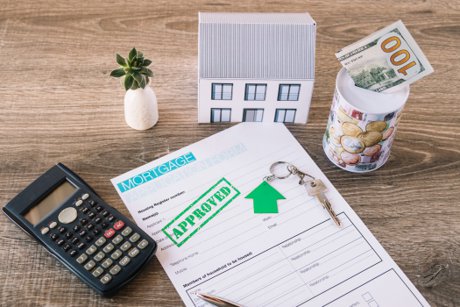
A conventional loan is a type of mortgage loan that is not backed by a government entity, such as the Federal Housing Administration (FHA) or the Department of Veterans Affairs (VA).
Conventional loans are available through banks, credit unions, and other lenders. They typically require a higher credit score than government-backed loans and may have a higher interest rate.
down payment than government-backed loans. Borrowers can use Gift funds from family members to help with the down payment.
Conventional loans have certain benefits, such as no monthly mortgage insurance premium and the ability to refinance up to 80% of the home’s value.
Qualifying for a Conventional Loan
If you’re looking to get a conventional loan, you’ll need to meet some minimum requirements. First, you’ll need a good credit score. A FICO® Score of 620 or higher is generally required to qualify for a conventional loan.
Next, you’ll need to have a steady job and verifiable income. Lenders will want to see that you have a history of steady employment and earnings. They may also require documentation of your income, such as W-2 forms or tax returns.
You’ll also need to have enough money saved up for a down payment. Conventional loans typically require a down payment of at least 5% of the purchase price of the home. So if you’re buying a $200,000 home, you’ll need to have at least $10,000 saved up for the down payment.
You may be required to pay private mortgage insurance (PMI) if your down payment is less than 20% of the purchase price. PMI is an insurance policy that protects the lender in case you default on your loan. The monthly premium for PMI varies based on your credit score and the size of your down payment, but it can add hundreds of dollars to your monthly mortgage payment.
Types of Conventional Loans
There are three main types of conventional loans: fixed-rate, adjustable-rate, and interest-only.
Fixed-rate loans have an interest rate that remains the same for the life of the loan. The payments are also fixed, so you'll know exactly how much you'll need to pay each month. This type of loan is best for those who want stability and predictability in their monthly payment.
Adjustable-rate loans have an interest rate that can change over time. The payments on these loans are also typically adjustable, which means they can go up or down as the interest rate changes. These types of loans are best for those who expect to move or refinance within a few years and want to save money in the short term.
Interest-only loans have a lower monthly payment than other types of conventional loans, but you only pay the interest on the loan for a set period of time. After that, your payments will increase because you'll start paying off the principal as well as the interest. These types of loans are best for those who need lower monthly payments now and can afford to make larger payments later on.
Benefits of a Conventional Loan
A conventional loan is a type of mortgage that is not backed by the government. Conventional loans are available through private lenders, and they typically have stricter requirements than government-backed loans.
One benefit of a conventional loan is that you may be able to get a lower interest rate than you would with a government-backed loan. This is because private lenders are not guaranteed by the government, so they may charge higher interest rates to offset their risk.
Another benefit of a conventional loan is that you may not need as large of a down payment as you would with a government-backed loan. This can make homeownership more accessible for people who don’t have a lot of money saved up for a down payment.
Conventional loans also tend to have fewer restrictions than government-backed loans. For example, you may be able to use a conventional loan to buy a second home or an investment property. Government-backed loans usually have limits on how you can use the property.
Downsides of a Conventional Loan
There are a few potential downsides to taking out a conventional loan. First, if you have a low credit score, you may not be able to qualify for the best interest rates. This can end up costing you more money in the long run. Additionally, if you're self-employed or have other unique financial circumstances, you may not be able to qualify for a conventional loan at all. If you're looking to buy a home with a very low down payment (less than 20%), you'll likely need to pay for private mortgage insurance (PMI). This added expense can increase your monthly mortgage payment quite a bit.
How to Apply for a Conventional Loan
If you're thinking of buying a home, you may be wondering if a conventional loan is the right type of mortgage for you. Here's a look at what a conventional loan is and how to apply for one.
A conventional loan is a type of mortgage that isn't backed by a government agency. Conventional loans are available through private lenders, and they typically come with fixed interest rates and terms. You can usually get a conventional loan with a down payment of as little as 3%.
If you're interested in applying for a conventional loan, the first step is to shop around and compare rates from different lenders. Once you've found a lender you're comfortable with, you'll need to fill out an application and provide documentation such as income statements and bank statements. The lender will then review your application and make a decision on whether or not to approve your loan.
Alternatives to a Conventional Loan
There are a few alternatives to a conventional loan that you may want to consider if you're not eligible for one or if you're looking for a more competitive interest rate. FHA loans are backed by the Federal Housing Administration and are available to homebuyers with less-than-perfect credit or a limited down payment. VA loans are available to eligible active-duty military personnel, veterans, and their spouses. These loans are guaranteed by the Department of Veterans Affairs and often come with favorable terms, such as no down payment or private mortgage insurance requirements. USDA loans are available to low- and moderate-income homebuyers in eligible rural areas and offer 100% financing with no down payment required.
Conclusion
Conventional loans are a great option for borrowers who have good credit and can put down a substantial down payment. They offer more flexibility in terms of interest rates, repayment options, and other features than government-backed loans such as FHA or VA loans. With careful consideration and research into the types of conventional loan available to you, you could be well on your way to owning your dream home without the hassle of having to go through complicated government programs.