
The Significance of Preserving Historic Homes in South Carolina
South Carolina is known for its rich history and charming heritage properties, which attract visitors from all over the world. These historic homes are not only aesthetically pleasing but also hold a significant value in preserving the state's cultural identity. They serve as a reminder of our past, telling the stories of those who came before us and shaped the state into what it is today.
However, with rapid development and modernization, many of these historic homes are at risk of being demolished or renovated beyond recognition. This poses a threat to the unique charm and character that these properties hold, making it crucial to understand the significance of preserving them.
Preservation of History
Historic homes are more than just brick and mortar; they embody a piece of history that cannot be replicated. Each home has its own story to tell, whether it's about prominent figures who once lived there or events that took place within its walls. By preserving these homes, we can continue to learn about our past and pass down this knowledge to future generations.
Cultural Identity
South Carolina's historic homes reflect the state's diverse cultural heritage. From antebellum mansions in Charleston to Victorian-style cottages in Beaufort, each home represents a different era and architectural style. By preserving these properties, we are also safeguarding our cultural identity by maintaining a physical connection to our ancestors' way of life.
Economic Impact
The preservation of historic homes also has a significant economic impact on the state. These properties attract tourists and contribute to the local economy by creating jobs in the tourism industry. Historic homes often serve as bed and breakfasts, museums, or event venues, bringing in revenue for the community and supporting small businesses.
Architectural Significance
Many of South Carolina's historic homes are architectural marvels, showcasing unique designs and craftsmanship from different periods. They serve as tangible examples of architectural styles that have shaped the state's built environment over time. By preserving these homes, we can continue to appreciate and study their architectural significance.
Environmental Benefits
Preserving historic homes also has environmental benefits. These properties have already withstood the test of time and were built to last, using sustainable materials and construction methods that are not commonly used today. By preserving them, we can reduce our carbon footprint and promote sustainability.
Community Pride
Historic homes are often an integral part of the community's identity and pride. They serve as a gathering place for locals to celebrate holidays, host events, or simply enjoy their beauty. Preserving these properties helps foster a sense of community pride and ownership.
History of South Carolina's Architecture and its Impact on Heritage Properties
South Carolina's architecture has a rich and diverse history, influenced by various cultures and styles. From its early colonial roots to the present day, the state's architecture has played a significant role in shaping its heritage properties.
Early Colonial Architecture (1600s-1700s)
The first European settlers in South Carolina brought with them their distinct architectural styles from England, France, Spain, and the Caribbean. The earliest surviving buildings in the state are simple wooden structures built by English colonists in the late 1600s. These houses were primarily based on English vernacular architecture with steeply pitched roofs and large central chimneys.
During this period, Charleston emerged as an important port city with a booming economy based on rice cultivation and Atlantic trade. As a result, grand plantation homes began to spring up along the Ashley River and other coastal areas. These homes featured elegant Georgian-style architecture characterized by symmetrical facades, columned porches, and detailed brickwork.
Antebellum Architecture (1800s)
The antebellum period saw a rise in Greek Revival architecture influenced by ancient Greek design principles. Mansions such as Aiken-Rhett House in Charleston exemplify this style with their grand entrances featuring tall columns supporting pediments adorned with intricate moldings.
Challenges Faced in Maintaining and Restoring Historic Homes
Maintaining and restoring historic homes is a labor of love, but it comes with its own set of challenges. These charming properties hold a significant place in our history and culture, and their preservation is crucial for future generations to appreciate. However, the process of maintaining and restoring these homes can be complex and demanding. In this section, we will discuss some of the most common challenges faced in preserving the charm of South Carolina's heritage properties.
1. Age and Deterioration:
One of the biggest challenges in maintaining historic homes is dealing with their age and gradual deterioration over time. Many of these properties are several decades or even centuries old, making them susceptible to wear and tear from natural elements such as weather, sunlight, moisture, pests, and other environmental factors. The materials used in construction may also have aged or become obsolete, making repairs and replacements more difficult.
2. Lack of Documentation:
Unlike modern homes that come with detailed architectural plans and documentation, many historic homes lack proper records or blueprints. This presents a challenge when trying to determine the original design intent or locating specific features for restoration purposes. Without accurate documentation, homeowners often have to rely on research from historical archives or consulting with experts who specialize in restoring similar properties.
3. Limited Availability of Materials:
With advancing technology came new building materials that replaced traditional ones used in historic homes construction. As a result, finding authentic materials for restoration work can be challenging since they are no longer commonly produced or available on the market. This can lead to delays, increased costs, and the need for creative solutions to match the original materials' appearance.
4. Balancing Historic Preservation with Modern Living:
Many historic homes were built during a time when lifestyles and living standards were different from what we have today. This presents a challenge in finding a balance between preserving the property's historic character while making it functional and comfortable for modern living. For example, updating the electrical and plumbing systems may require significant modifications that could potentially compromise the home's authenticity.
5. Cost of Maintenance and Restoration:
Maintaining and restoring historic homes can be costly due to the specialized skills, materials, and time required for such projects. Many homeowners may find it challenging to meet these expenses, especially if their property is listed on the National Register of Historic Places or located in a designated historic district with strict preservation guidelines.
6. Lack of Skilled Labor:
Restoring historic homes requires skilled craftsmen who specialize in traditional techniques such as plastering, masonry, carpentry, or stained glass restoration. However, there is a shortage of these skilled workers due to the decline in demand over the years. This makes it difficult to find qualified professionals with knowledge of traditional building methods, resulting in longer project timelines and higher labor costs.
Tips for Preserving and Renovating a Historic Home while Maintaining its Charm
Preserving and renovating a historic home is a delicate balance between maintaining its charm and updating it to meet modern standards. Historic homes are not just buildings, they are valuable pieces of history that hold cultural significance. Therefore, it is essential to take special care when undertaking any preservation or renovation projects.
Here are some tips for preserving and renovating a historic home while maintaining its charm:
1. Research the history of your home: Before starting any work on your historic home, it is important to research its history. This will help you understand the architectural style, materials used, and significant features of the house. It will also give you an idea of how the house has evolved over time. This information will guide you in making decisions about what elements to preserve and what changes can be made without compromising the historical integrity of the house.
2. Hire professionals with experience in historic preservation: When it comes to preserving and renovating a historic home, it is crucial to hire professionals who have experience working with heritage properties. They will have knowledge about building techniques and materials used during different periods, as well as an understanding of local regulations for historic homes.
3. Use traditional building materials: To maintain the authenticity of your historic home, use traditional building materials whenever possible. For example, if your house has wooden windows, consider repairing them rather than replacing them with modern ones.
4. Restore instead of replacing: Whenever possible, try to restore original features rather than replacing them completely. For instance, if you have old hardwood floors, consider refinishing them rather than installing new flooring.
5. Be mindful of additions and alterations: If your historic home needs additional space or modern updates, be careful not to overshadow or alter the original structure. Additions and alterations should be done in a way that complements the existing architecture.
6. Keep the color palette historically accurate: The color palette of a historic home is an essential part of its charm. Research the original colors used on your house and try to keep them as close to the originals as possible. This will help maintain the historical character of your home.
7. Preserve unique architectural features: Historic homes often have unique architectural features that make them stand out. These could include ornate moldings, stained glass windows, or intricate woodwork. Take special care to preserve these features during any renovation projects.
8. Use energy-efficient materials: While it is important to maintain the historical integrity of your home, you can still make it more energy-efficient by using modern materials that replicate traditional ones. For example, you can install energy-efficient windows that mimic the look of old-style windows.
Role of Organizations and Programs in Supporting the Preservation of Heritage Properties
The role of organizations and programs in supporting the preservation of heritage properties is crucial in ensuring that South Carolina's historic homes are not lost to time. These organizations and programs work tirelessly to protect, restore, and maintain these important pieces of our state's history.
One key organization dedicated to preserving heritage properties in South Carolina is the Historic Charleston Foundation. This non-profit organization was founded in 1947 with a mission to preserve and protect the architectural, historical, and cultural character of Charleston and its surrounding areas. The foundation works closely with property owners, government agencies, and other preservation groups to provide education, advocacy, and technical support for historic home preservation.
Another key player in preserving South Carolina's heritage properties is the National Trust for Historic Preservation (NTHP). This national organization has been working since 1949 to save America's historic places through advocacy, education, and grant initiatives. The NTHP has designated several historic sites in South Carolina as National Treasures, including Magnolia Plantation & Gardens and Penn Center on St. Helena Island.
In addition to these larger organizations, there are also numerous local preservation societies throughout South Carolina that play a vital role in protecting historic homes. These volunteer-run groups often focus on specific neighborhoods or regions within the state and work closely with community members to raise awareness about the importance of preserving local heritage properties.
Conclusion: The Importance of Valuing and Protecting
Historic homes hold great significance in preserving the cultural and architectural heritage of South Carolina. They not only serve as physical representations of our past but also provide a connection to our roots and identity.
It is crucial for us to value and protect these historic properties as they are irreplaceable treasures that contribute to the unique character and charm of our state. By preserving them, we are honoring the legacy of those who came before us and ensuring that future generations can appreciate the rich history embedded within these homes.
One of the main reasons for valuing and protecting historic homes is their ability to tell stories. Each home has its own narrative, filled with memories, events, and people who have lived within its walls. These stories provide a glimpse into the past, giving us a better understanding of what life was like during different eras. By preserving these homes, we are preserving these stories for future generations to learn from and be inspired by.
Moreover, historic homes play a significant role in tourism and economic development. South Carolina is known for its charming southern architecture and many tourists come specifically to see these historical properties. This creates jobs in the hospitality industry and boosts local businesses, making it important for us to protect these assets.
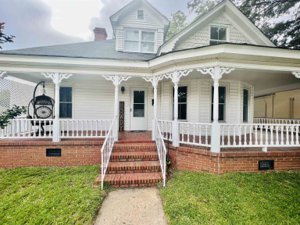
Take a tour of the Upstate SC Historic Homes for Sale.